
Immigration Services for Foreign Staff
When a company decides to recruit staff from outside the European Union, the process does not end once the candidate has been selected.
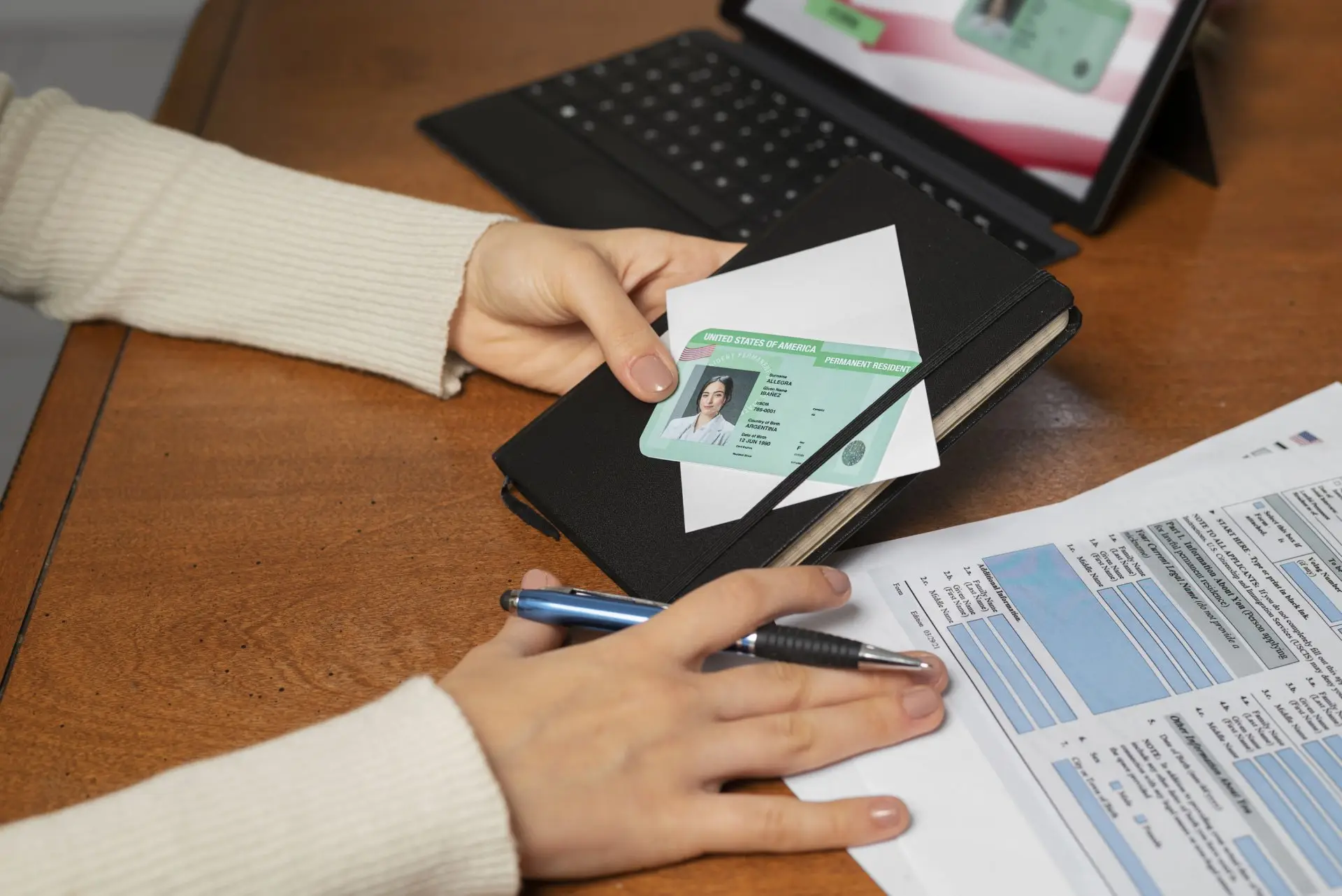
In fact, that is when the administrative phase begins, making it possible for the employee to be legally hired and integrated into the company’s operations.
Work-related immigration to Romania involves following a legal process made up of several successive stages. Each of these stages has its own rules, specific documentation and deadlines that must be carefully observed.
The work permit, long-stay visa and residence permit together form the legal framework that allows a non-EU worker to be employed and carry out their activity in Romania.
For employers, the challenge is not limited to preparing a file. Much more important is coordinating the entire process so that each stage is completed at the right time. A document prepared too early or too late can affect the project timeline and delay the moment when the worker actually joins the company.
For this reason, many companies choose to treat immigration as a separate component of the recruitment process. An organised approach allows proper tracking of documents, compliance with deadlines and effective management of the relationship with the institutions involved.
At Think People, immigration services for foreign staff are built around exactly this logic. We organise the administrative workflow so that companies can monitor every stage and have a clear overview of the hiring timeline.
Immigration Services for Foreign Staff in Romania: Complete Process
An immigration project begins before the first document is submitted. In this initial phase, it is important to verify the type of worker, the available position and the conditions the employer must meet.
Clarifying these elements allows the file to be prepared correctly and helps avoid later adjustments. When the process is planned in advance, each stage can be completed in a logical sequence.
A complete immigration service includes checking the files, scheduling each stage and tracking the documentation until the procedures are finalised. Through this organisation, the company can anticipate when the employee will be able to start work.
In general, work-related immigration to Romania includes three main stages:
These stages do not function independently. The way the first phase is prepared directly influences the success of the following procedures. For this reason, administrative planning is just as important as preparing the documents.
Proper Organisation of Documentation
Immigration files include a range of documents that must be prepared both by the employer and by the candidate. Each document has a specific role in proving the legal conditions for employment.
For companies, the documentation reflects the existence of a genuine position, the capacity to employ the worker and compliance with labour law requirements. For candidates, the documents confirm identity, professional experience and eligibility to obtain work rights.
Careful preparation of documents contributes to faster assessment of files and a smoother administrative process. That is why checking the documentation before submission is an important stage in managing immigration for foreign staff.
In practice, companies that organise their documents in a structured way manage to complete procedures more efficiently and maintain good predictability regarding the recruitment project.
We help companies build stable teams
Why Do Companies Choose to Outsource Immigration Services?
Managing immigration procedures requires time, attention to detail and constant monitoring of administrative stages. For many companies, these tasks are added to the current responsibilities of the HR team.
Outsourcing immigration services allows the entire process to be centralised in a single coordination point. In this way, documents, appointments and communication with institutions are managed within an organised framework.
In the current labour market context, Romania continues to authorise a significant number of foreign workers every year. Under these conditions, administrative planning becomes an important element for companies that wish to integrate non-EU staff into their activity.
Companies that use such services benefit from several practical advantages:
This approach is useful both for one-time projects and for companies that regularly recruit international staff.
Managing the Administrative Stages
The immigration process involves interaction with several institutions and compliance with precise deadlines. Each stage must be prepared in relation to documents already issued and the steps that follow.
After obtaining the work permit, the worker may apply for the long-stay visa at the diplomatic mission or consulate of Romania in their country of origin. This visa allows entry into Romania and grants the right to apply for a residence permit for work purposes.
The residence permit is the document confirming the worker’s right to live and work legally in Romania. The application must be submitted within the deadline provided by law, so that professional activity can continue without administrative interruptions.
Good coordination of these stages helps avoid delays and maintain a realistic recruitment project schedule.
Companies that have chosen our expertise









Planning Immigration Within the Recruitment Process
Integrating immigration into the overall recruitment plan helps companies anticipate administrative stages and prepare the project in a realistic way.
Instead of starting procedures only after candidates are selected, planning can include from the beginning verification of legal conditions, estimating the duration of procedures and organising the documents.
This approach allows the creation of a hiring timeline and facilitates coordination between the teams involved in the process.
In the long term, administrative planning contributes to the stability of international recruitment projects and the more efficient integration of workers into the company’s activity.