
Waste Management and Recycling SectorRecruitment
The work involves receiving materials, sorting them into categories, handling them and directing them into recycling streams.
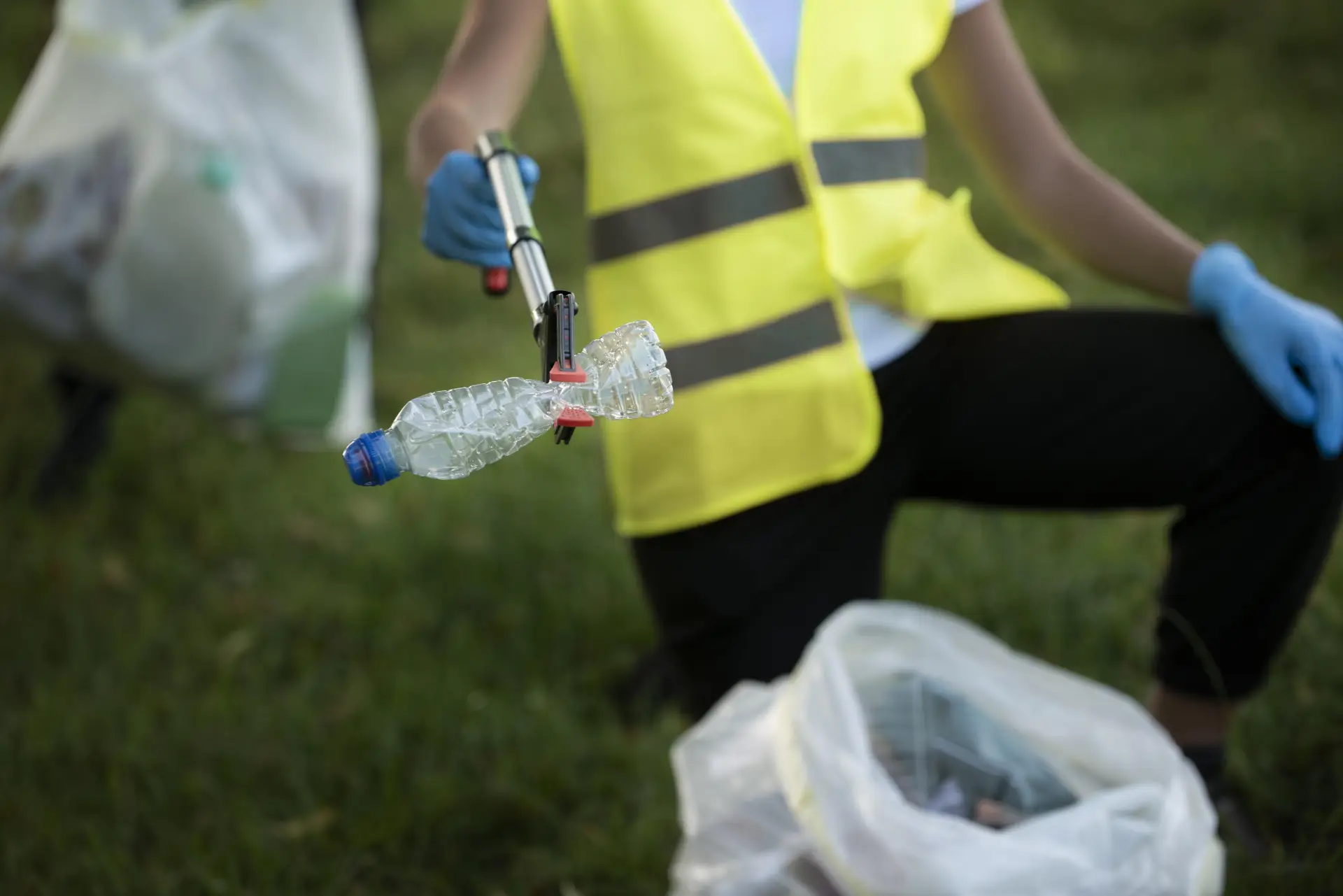
Recruiting staff for recycling and sorting is essential for the operation of waste processing centres.
For these processes to run efficiently, stable teams are needed to maintain a consistent pace of work.
In many recycling centres in Romania, the shortage of operational staff affects processing capacity. A lack of workers in key positions can lead to delays in sorting, material build-up and difficulties in organising shifts. For this reason, more and more companies are considering recruiting foreign staff for recycling when the local labour market cannot meet their workforce needs.
Recycling work involves repetitive tasks, teamwork and adapting to shift schedules. Companies look for employees who can maintain a steady work pace and support daily operations in sorting and processing centres.
Think People organises recruitment processes for foreign workers in recycling, coordinating candidate selection and the administrative steps required for employment. The process is structured so that companies can complete their operational teams and maintain processing capacity in recycling centres.
Waste Recycling Staff in Romania for Sorting and Processing Centres
Recycling centres operate based on structured operational flows. Each stage depends on staff who can maintain a constant pace of work and follow the centre’s operating procedures.
The activity is organised around the volume of processed materials. In many centres, quantities are high and a shortage of staff in sorting or handling areas can quickly slow down the operational flow. In addition, schedules are often organised in shifts, which requires stable teams for each working period.
In this context, some companies consider recruiting staff from Asia for recycling when they need stability in operational roles. Employers look for workers who can perform repetitive tasks, follow work procedures and support operations in the long term.
Recruiting production workers from Asia provides access to candidates available for sorting, handling and operating roles in processing centres. For companies, this contributes to more predictable team organisation and maintaining a steady processing flow.
The recycling sector is part of the broader category of industries where international recruitment is used to stabilise teams in operational areas and support high-volume workloads.

Sorting, Handling and High-Volume Flow Operations
Work in recycling centres is based on operational processes such as sorting materials, handling flows and preparing them for processing or transport stages. Sorting involves correctly identifying and separating recyclable materials, while handling includes moving, organising and feeding work lines.
The most common roles are related to manual sorting, material handling, feeding processing flows, category separation and preparing loads for transport or later processing stages. Although these activities do not always require advanced technical qualifications, they do require attention to procedures, physical endurance and the ability to work at a steady pace.
The efficiency of a recycling centre depends directly on the stability of the teams covering these positions. If teams are incomplete or staff turnover is high, delays in sorting, errors in material separation and difficulties in managing large volumes of waste can quickly occur.
In some centres, recycling activity is closely linked to processes similar to those in production and packaging, especially when materials are prepared for reuse or reorganised into industrial flows.
In these situations, companies often also consider recruiting production staff from Asia, particularly where the activity combines sorting with operational processes specific to industrial lines.
We help companies build stable teams

Stability in Repetitive Operations and Shift Work
In recycling centres, activity is based on repetitive processes and shift work. When staff change frequently, interruptions occur in the operational flow, training time increases and productivity declines.
For this reason, some companies consider international recruitment to stabilise operational teams, including access to workforce from India available for activities specific to processing centres.
Most centres operate on two or three shifts. A lack of staff in a certain shift leads to a build-up in material volume and additional pressure on the following shifts. That is why companies seek stable teams that can support operations consistently and comply with internal sorting and handling procedures.
Fast Integration into Operational Roles
Recycling positions require quick integration into the workflow. Employees must immediately understand the types of materials handled, separation methods and safety rules applied in the centre.
The right selection process reduces the adaptation period and the risk of turnover in the first months. In recycling recruitment projects, companies look for people suited to repetitive tasks, able to work in teams and willing to follow operational procedures.
Efficient integration also includes training on the flow of materials within the centre. Employees need to know how materials are collected, sorted and directed to the next processing stages. In many facilities, compliance with these procedures directly influences sorting efficiency and the quality of the resulting recyclable materials.
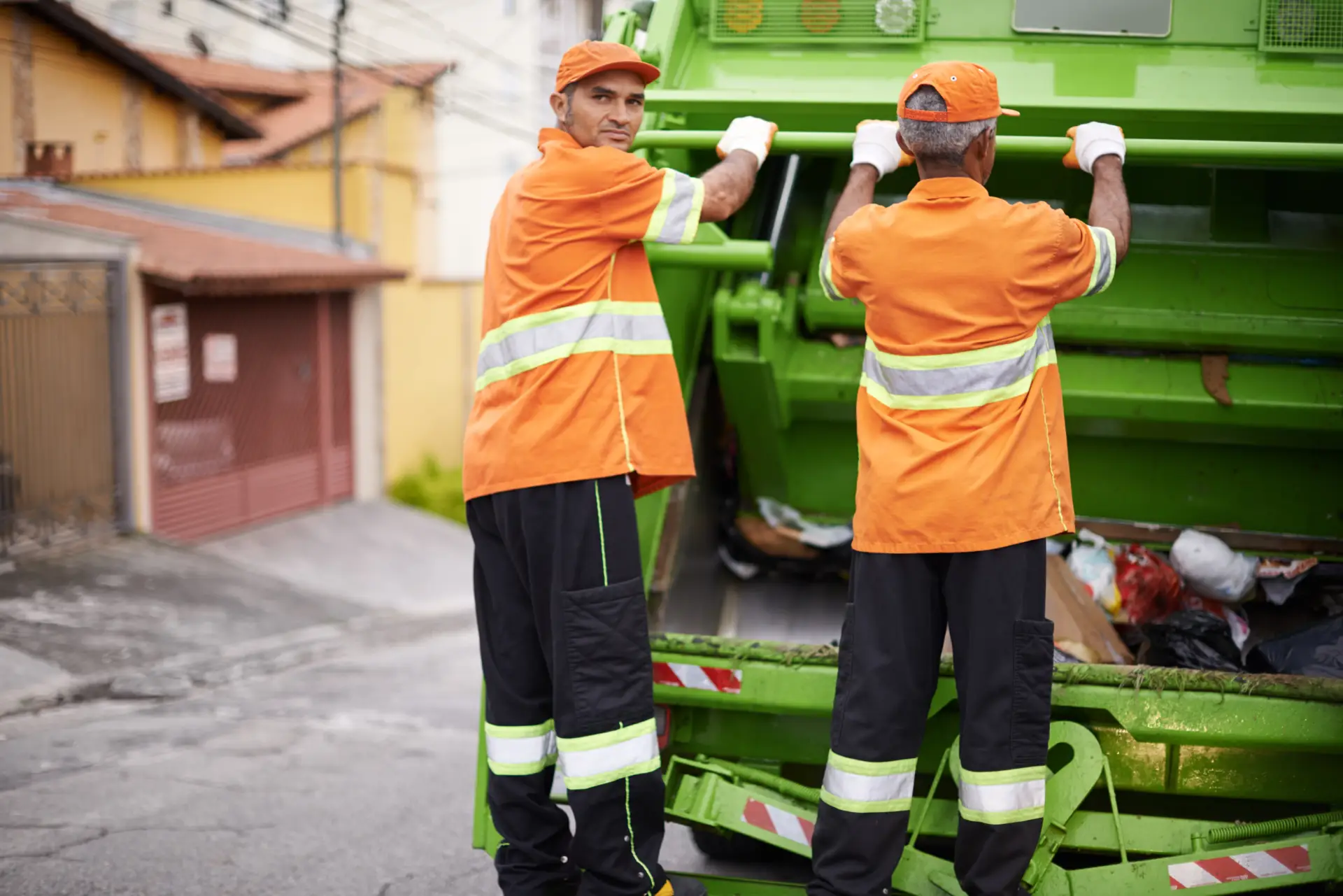
Companies that have chosen our expertise










How Can You Increase Efficiency in Recycling with Stable Teams?
Efficiency in a recycling centre depends largely on team stability. Employees who know the workflow and internal procedures can maintain a steady processing pace and reduce sorting errors.
For companies, stable teams mean less time spent on repeated training, better shift organisation and more predictable processing capacity.
In the long term, workforce stability also contributes to improved workplace safety. Employees who are familiar with the equipment and the organisation of the centre follow operating rules more easily and can work more efficiently as a team. As a result, the recycling process becomes better coordinated and the centre’s productivity can be maintained at a consistent level.