
Construction Workforce Recruitment from Asia and Africa
In construction, the pace of a project is set by the teams on site. Every stage, from structural work to finishing works, depends on the consistent presence of workers who carry out the actual tasks.
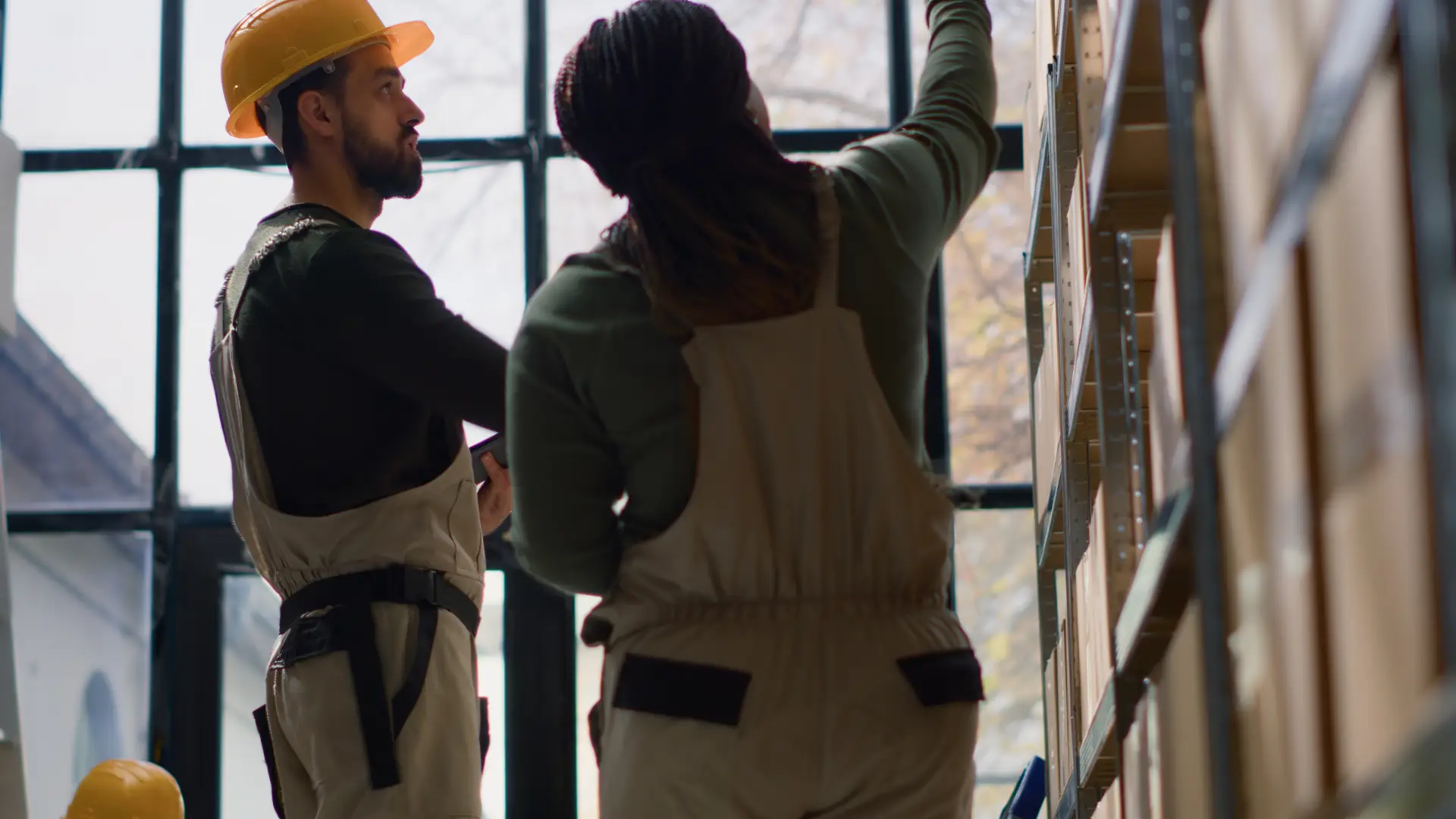
When teams are incomplete or staff turnover is high, organisation becomes more difficult and worksite coordination begins to suffer.
On large projects, the effects appear quickly. One delayed stage puts pressure on the next ones, subcontractors need to be reorganised and agreed deadlines become harder to meet. In such situations, the issue is not only the lack of people, but also the loss of predictability in project planning.
For this reason, more and more construction companies are looking for stable solutions to strengthen their execution teams. Recruitment of staff from Asia and Africa is particularly considered by companies with ongoing projects that need workers available for continuous work, not just occasional assignments. In this industry, team stability is very important for maintaining the work pace on site.
Think People organises recruitment processes for construction workers tailored to the specific needs of projects in Romania. Candidate selection, experience verification and coordination of administrative stages are managed so that employers can strengthen their teams without operational bottlenecks and without unnecessary delays in project execution.
Construction Workforce Recruitment in Romania for Large Projects
In construction projects, the need for staff often arises simultaneously across several stages of the work. Some companies are looking for workers for general labour, others for specialised activities and on large projects it is common to require the rapid expansion of several teams at once. When staff is missing, execution stages are delayed and coordinating teams on site becomes more difficult.
That is why recruitment of Asian staff for construction is considered by companies working with large volumes and strict deadlines. Employers are looking for workers who can follow execution procedures, integrate quickly into existing teams and support the pace of work on site.
For many companies, recruiting Asian construction workers becomes a solution when projects can no longer be sustained only with local staff. When planned in advance, international recruitment helps stabilise teams and allows for more efficient project organisation.
Within the Think People portfolio, this area is part of a broader recruitment approach across multiple industries, where solutions are adapted according to the specific activity and the real needs in the field.

We help companies build stable teams
Bricklayers, Steel Fixers, Carpenters and Full Teams
In construction, the pace of a project depends on the teams carrying out the core work. Bricklayers, steel fixers, carpenters and general labour workers are highly important for the structural stages of the site. Without these roles, masonry, reinforcement or formwork works cannot progress according to schedule.
In many cases, companies are not only looking for individuals for separate positions, but complete teams that can quickly integrate into the existing project structure. Alongside the main trades, employers also frequently need workers for on-site support activities such as material handling, preparing work areas or assisting specialist teams.
In industrial projects or works involving steel structures, some companies also strengthen their execution teams with qualified foreign welders, required for technical work involving metal joints or structural assembly.
On sites where machinery, fleet vehicles or technical maintenance activities are involved, there may also be demand for Asian auto mechanics responsible for maintaining the equipment and vehicles used on the project.


Practical Testing and Skills Verification Before Hiring
In construction, the wrong selection can quickly affect the project. If workers do not have the necessary experience or cannot adapt to the pace of the site, delays and additional costs arise. That is why recruitment should include real skills verification, not just CV analysis.
The employer needs to know what type of work the candidate has completed before and whether that experience matches the project requirements. For skilled workers, validating experience or practical testing is important, while for general labour roles, the ability to work consistently and follow team tasks matters most.
The selection process should be adapted to the specific project on site. The right match between candidate and type of work reduces turnover risk, lowers time lost on replacements and helps the company build functional teams from the start of the project.
Fast Timelines for Deadline-Driven Sites
In construction, lack of staff can directly affect the project schedule. When one team is delayed, the following stages are also pushed back and pressure on the site increases.
That is why recruitment must be planned in advance and integrated into the organisation of the project. In the case of non-EU workers, the process includes not only candidate selection, but also the documentation required for employment and immigration.
For deadline-driven projects, companies need both worker availability and predictability regarding when they can effectively start work on site.

Companies that have chosen our expertise









How Do You Avoid Execution Delays Caused by Staff Shortages?
Construction delays often arise from predictable causes. One of the most common is the lack of the right staff exactly during the critical stages of the project. When a company works with incomplete teams or with people who do not fit the pace of the works, bottlenecks appear that affect the entire site.
To avoid these problems, recruitment should begin early and candidate profiles should be defined from the start. It is not enough to simply have available workers. They must be suitable for the type of work, the team structure and the real requirements on site.
At the same time, a company that clearly defines its needs and treats recruitment as part of project planning has a greater chance of maintaining continuity in execution. In construction, the difference between a project that moves forward and one that stalls often lies in the quality and stability of the team.