
Logistics and Warehouse Staff Recruitment
The logistics sector has grown rapidly in recent years, driven by the expansion of e-commerce, the development of distribution networks and the emergence of regional logistics hubs.
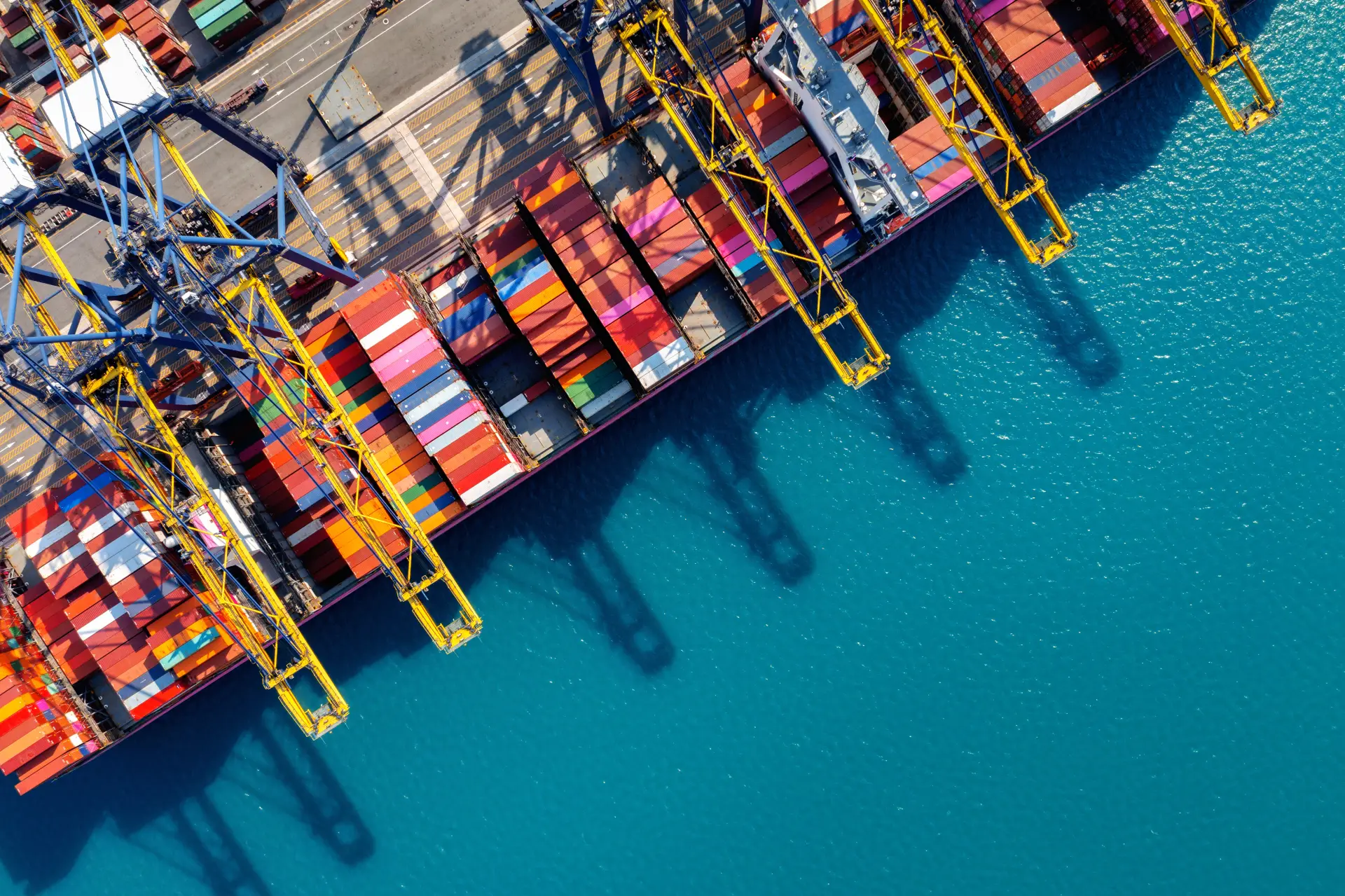
In this context, many companies in Romania face a constant challenge: a shortage of staff for warehouse and distribution center operations.
Logistics activities depend on pace and organization. Goods handling, order picking, packing and loading must be carried out in a continuous flow. When teams are understaffed, order preparation is delayed, pressure on existing employees increases and operational efficiency declines.
For this reason, more and more companies are looking for foreign logistics staff when the local market can no longer meet their hiring needs. In warehouses, team stability is extremely important. High staff turnover means continuous training, processing errors and difficulties in organizing shift-based operations.
At Think People, we organize recruitment processes for foreign workers in logistics and warehousing, tailored to the company’s actual workload. Candidate selection, administrative procedures and team integration are coordinated so that employers can quickly complete their teams and maintain a stable operational flow.
Logistics and Warehouse Staff in Romania for High-Volume Operations
Modern warehouses operate through clearly defined processes. Every stage, goods receiving, storage, picking, packing and dispatch, depends on team coordination and the constant presence of staff.
In high-volume warehouses, the absence of just a few employees can affect the entire logistics flow. Order preparation is delayed, deliveries are pushed back and bottlenecks appear between operational areas of the warehouse.
That is why the recruitment of Asian staff for logistics is being considered more and more often by companies managing distribution centers or regional warehouses. In these work environments, employers are looking for people who can work at a steady pace, follow internal procedures and collaborate efficiently in shift-based teams.
For many companies, recruiting Asian workers for logistics provides access to candidates available for operational roles and stable employment contracts. In addition, when recruitment is planned in advance, teams can be completed without disrupting warehouse operations.
This type of recruitment is part of a broader workforce planning strategy across several industries where staff shortages can directly impact operations.

We help companies build stable teams
Handlers, Pickers, Packers and Forklift Operators
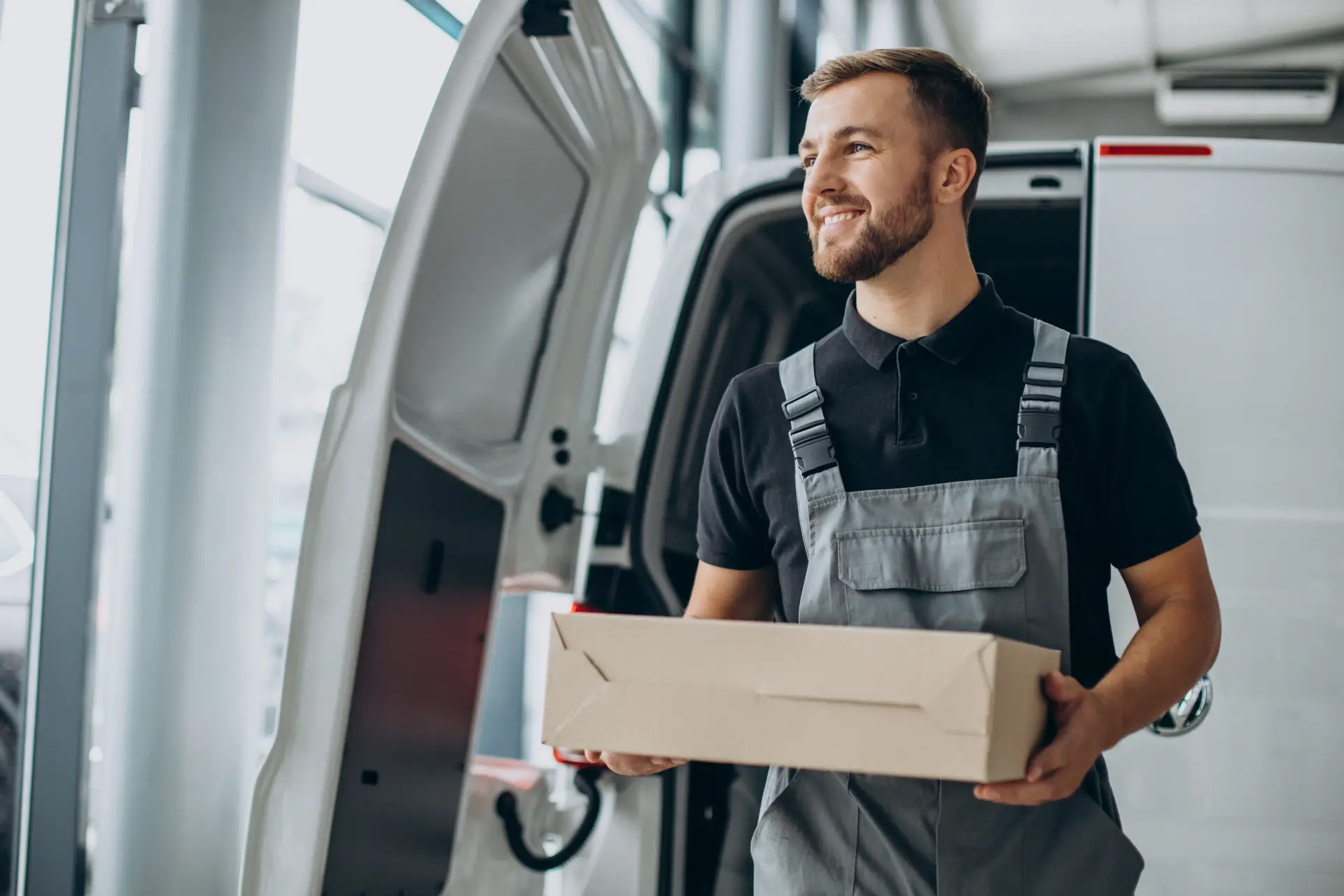
In logistics, operational roles are essential for warehouse performance. Handlers are responsible for unloading and organizing goods, pickers prepare orders and packers ensure products are properly prepared for delivery.
In some warehouses, activities also involve the use of logistics equipment, which makes forklift drivers or machinery operators necessary for pallet handling and warehouse space organization.
These roles are not highly technical, but they require discipline, attention to procedures and the ability to work at a consistent pace. In large warehouses, every position is part of a well-organized system and any staff shortage can affect productivity.
In some companies, logistics activity is closely linked to industrial processes. For this reason, warehouse recruitment may run in parallel with recruitment for production and packing, especially in factories that operate their own distribution centers.
That is why many companies look for foreign logistics workers for roles such as:
Shift Coverage, Stability and Consistent Productivity
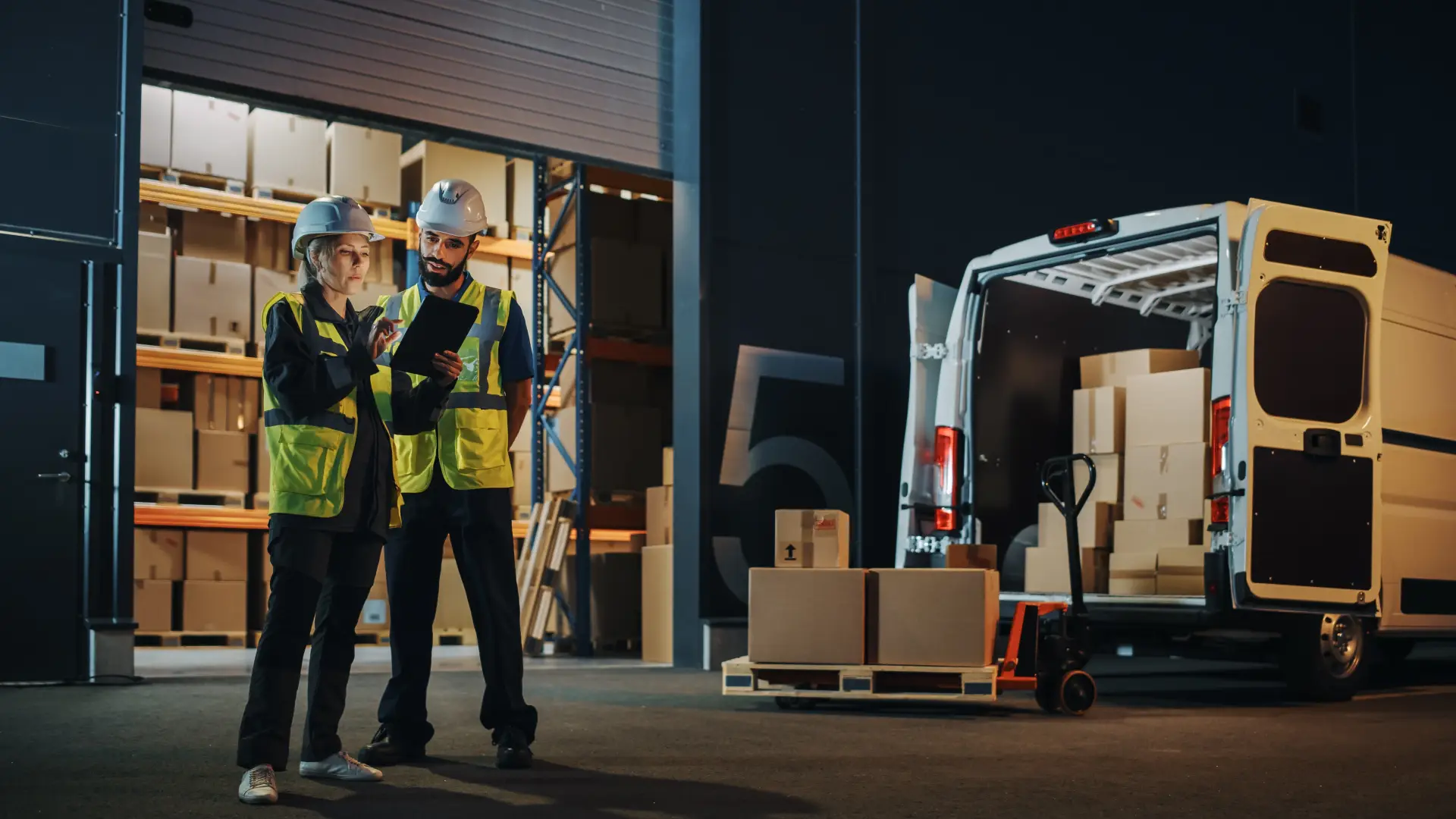
Many warehouses operate on a shift schedule. Depending on order volume and the type of activity, teams may work mornings, afternoons or nights. For the system to function properly, each shift must have enough people to cover every stage of the logistics flow.
Problems arise when staff turnover is high. Employees leave frequently and the company must constantly restart the recruitment process. This leads to lost time, additional costs and difficulties in organizing operations.
For this reason, many companies consider recruiting workforce from Asia for logistics when they need stable teams for the longer term. In warehouses, staff stability helps maintain productivity and reduces the time spent training new employees.
In addition, a stable team allows better warehouse organization. Employees learn internal processes faster, understand the layout of the facility and can work more efficiently within already established teams.
Fast Integration into Logistics Flows
In logistics, the integration of new employees must be quick. Warehouse operations do not allow long adaptation periods, because workflows are continuous and every role is connected to the others.
For successful integration, the company must have clear procedures and organize training efficiently. New employees need to quickly understand the working methods, safety rules and warehouse structure.
At Think People, the recruitment process is designed so that employers can select candidates suited to the real activities inside the warehouse. The focus is not only on availability, but also on the ability to work within an organized system and at a steady pace.
In many logistics projects, recruitment is also linked to access to workforce from Asia, as this region offers a large number of candidates interested in operational work and stable contracts.
Companies that have chosen our expertise










How Do You Reduce Turnover in Warehouses Through Structured Recruitment?
Staff turnover is one of the biggest challenges in logistics. When employees leave frequently, the company must restart recruitment, invest again in training and reorganize existing teams.
Reducing turnover starts with better candidate selection. People must be suited to the type of warehouse activity and the real pace of work. In addition, onboarding must be organized so that new employees quickly understand how the company operates.
Well-planned recruitment helps companies build stable teams and maintain business continuity. In logistics, staff stability is not just an administrative advantage. It is a very important condition for operational efficiency.