
Recruitment of Qualified Foreign Welders
Metal structures, industrial installations, pipelines and technical equipment all depend on welds carried out correctly, in accordance with technical procedures and quality standards.

In industrial projects and metal construction, welders are among the specialists who directly influence the strength and safety of the work.
For this reason, qualified welders are among the most sought-after categories of technical personnel in many projects across Romania. In industry, the shortage of specialists quickly becomes visible in the pace of project execution. If welding teams are incomplete, certain stages of the project cannot continue and the entire project schedule may be affected.
For companies operating in metal construction, industrial production or infrastructure, recruiting welders does not simply mean filling vacant positions. It is a process that must identify people capable of working in industrial environments, following technical procedures and maintaining the same level of quality throughout the project.
In this context, more and more companies are considering international recruitment when the local market cannot cover the need for specialists. Personnel from Asia and Africa are already present in many industrial projects across Europe, where practical experience and discipline in execution are highly valued.
Think People organizes recruitment processes for qualified welders intended for industrial projects, metal construction and infrastructure works. Candidate selection, skills verification and coordination of administrative stages are managed so that employers can quickly integrate personnel into their existing technical teams.
Recruitment of Qualified Welders in Romania for Industry and Construction
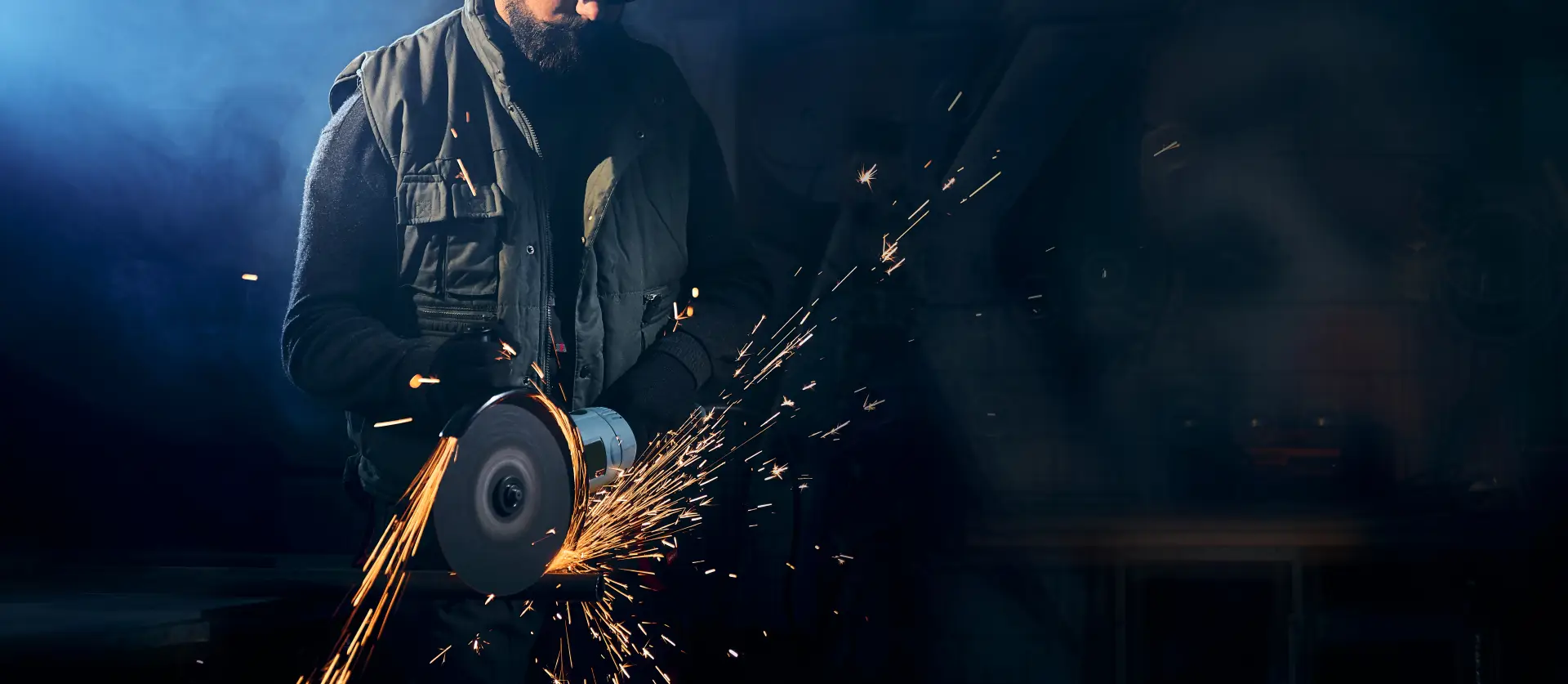
Welders are involved in numerous types of industrial projects. Their work may include manufacturing metal structures, assembling load-bearing elements or installing components in industrial facilities.
In construction, welding is extremely important for:
In factories or industrial sites, welders often work alongside other technical specialists, such as fitters or industrial operators. Coordination between these roles is important for respecting execution stages.
That is why many companies consider recruiting personnel from Asia for welding roles when they need specialists who can work in organized technical teams and on projects with specific industrial requirements.
International recruitment is part of the broader category of workforce sectors in which companies complete their teams with specialists when staff shortages become an operational issue.
We help companies build stable teams
MIG-MAG, TIG and Arc Welding: Skills-Based Selection
In industrial projects, welding is not a generic activity. Each type of work requires specific technology, different equipment and technical procedures. For this reason, the selection of welders must be based on the type of work and the technical standards the project must meet.
Among the most commonly used welding techniques in industry are MIG-MAG, TIG and arc welding. Each of these is used in different contexts and requires practical experience in order to achieve correct and durable results.
MIG-MAG welding is one of the most widespread methods in industrial production and the manufacturing of metal structures. It is frequently used in the production of metal components, the construction of industrial halls or projects where welding volume is high.
TIG welding is used in work requiring a high level of precision and careful control of the weld pool. It is commonly found in the metallurgical industry, in the production of technical equipment or in projects where finish quality is important. This method is often used for materials such as stainless steel or aluminum, where execution standards are stricter.
Arc welding (shielded metal arc welding) is one of the most commonly used techniques in construction and infrastructure projects. It is used in assembling metal structures, on-site works or projects where working conditions are variable and require robust equipment.
For this reason, welder recruitment must be carried out according to the technology used in the project and the type of work to be performed. Companies are not only looking for available candidates, but for specialists with real experience in the required welding procedure who can meet the technical demands of the job.
Practical Testing and Qualification Verification
When it comes to welders, skills assessment cannot rely only on declared experience or qualification documents. Companies need practical confirmation of technical abilities.
That is why practical testing is an important stage in the recruitment process. It allows evaluation of:
For employers, this stage reduces the risk of hiring personnel who cannot work to the project’s required standards.
At Think People, the selection process includes verification of experience and assessment of technical skills, allowing companies to choose welders suited to the type of work they perform.
In complex industrial projects, welder recruitment is often connected with the recruitment of other types of technical staff, such as construction workers from Asia who support assembly or installation activities.

Teams for Industrial Projects and Metal Structures
In many industrial projects, companies do not recruit only individual welders, but complete teams capable of working in coordination.
Metal structures, industrial installations or infrastructure projects require collaboration between several specializations:
In these situations, recruitment must be organized so that the team can work together from the very first stages of the project.
Sometimes industrial projects involve recruiting technical personnel from multiple regions. For example, some companies also consider recruitment from Egypt to complete industrial teams.
Companies that have chosen our expertise








How Do You Ensure Consistent Welding Quality Through Controlled Recruitment?
Welding quality depends on the welder’s experience and discipline. Proper execution ensures the strength of metal structures, while errors can generate costly technical problems.
That is why recruitment must focus on real and verifiable skills. Proper selection includes checking experience, practical testing and matching candidates to the project type.
For companies, this type of controlled recruitment means fewer technical risks and better team coordination.